7 Herbal teas that may boost sleep, digestion, immunity and overall wellness
02/15/2026 / By Laura Harris
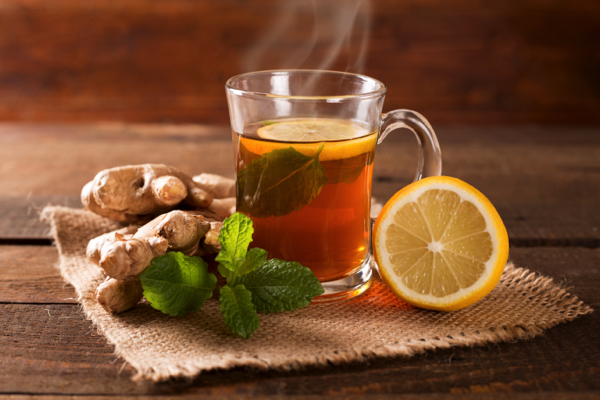
- Herbal teas differ from green, black and oolong teas because they are not made from the Camellia sinensis plant but from dried fruits, flowers, roots and herbs. Most are naturally caffeine-free and used for specific wellness goals.
- Ginger and peppermint teas are commonly used to ease nausea, indigestion and stomach discomfort, with ginger also showing anti-inflammatory properties.
- Chamomile tea is widely recognized for promoting relaxation and improving sleep quality, especially in older adults and postnatal women.
- Echinacea may support immune function during colds, while hibiscus may help lower blood pressure and improve cholesterol levels, though research findings are mixed.
- Rooibos is rich in antioxidants that may support overall health, and sage tea shows emerging promise for memory and cognitive function. Overall, herbal teas offer a gentle, affordable way to support wellness, though individuals should consult a healthcare professional if they have medical conditions or take medications.
For centuries, people around the world have turned to herbal teas to ease common ailments, calm the mind and support overall wellness. From soothing upset stomachs to promoting restful sleep, these fragrant brews remain a staple in traditional medicine cabinets. Interestingly, herbal teas are not “true teas” at all.
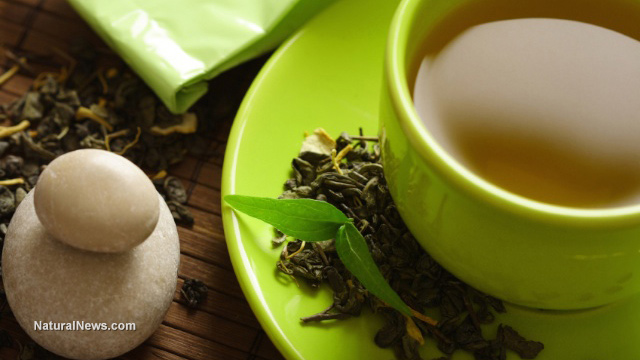
True teas, including green, black and oolong, come from the leaves of the Camellia sinensis plant. Herbal teas, by contrast, are made from dried fruits, flowers, spices, roots or herbs from a wide variety of other plants. Because they do not contain tea leaves, most herbal teas are naturally caffeine-free and are often chosen for specific wellness goals such as better digestion, immune support or relaxation.
Here are seven herbal teas that may offer unique health benefits.
Ginger tea
Ginger tea, made from the root of Zingiber officinale, is known for its bold, spicy flavor and impressive antioxidant content. It is perhaps best known for its ability to ease nausea. Research suggests ginger may help relieve motion sickness, pregnancy-related nausea and even nausea associated with certain medical treatments.
Beyond digestive relief, ginger has demonstrated anti-inflammatory properties that may help reduce pain and support immune health. Ginger tea can be purchased in tea bags or easily prepared at home by steeping fresh ginger slices in hot water.
Chamomile tea
Chamomile tea is widely regarded as a natural sleep aid. Made from the flowers of Matricaria chamomilla, it has a mild, slightly sweet taste and contains no caffeine. Studies suggest chamomile may improve sleep quality and duration, particularly in postnatal women and older adults.
Traditionally used as a calming remedy, chamomile may help promote relaxation and improve daytime functioning by supporting better nighttime rest. While research into additional benefits is ongoing, its soothing properties make it a popular bedtime beverage.
Peppermint tea
Peppermint tea, derived from Mentha × piperita, is one of the most popular herbal teas worldwide. It is commonly used to support digestion. Research indicates peppermint may help relieve indigestion, nausea and stomach discomfort. Some evidence also suggests it may relax the muscles of the digestive tract and ease symptoms of irritable bowel syndrome (IBS).
It is important to note that many studies have examined concentrated peppermint oil rather than tea. While peppermint tea may provide similar benefits, more research is needed to confirm its effectiveness in brewed form.
Echinacea tea
Often referred to as a “cold-fighting” tea, echinacea is derived from Echinacea purpurea. Some studies suggest it may shorten the duration of the common cold or reduce symptom severity by supporting immune function.
However, research results have been mixed and scientists continue to debate its true effectiveness. While echinacea tea may not be a guaranteed cure, its warmth can soothe sore throats and provide comfort during illness.
Hibiscus tea
Hibiscus tea is made from the vibrant petals of Hibiscus rosa-sinensis. It has a bright pink-red color and a refreshing flavor that is both fruity and slightly tart.
Some studies suggest hibiscus may help lower blood pressure and improve cholesterol levels, though other research has found limited effects. While evidence remains inconclusive, hibiscus tea is generally safe for most people. However, it should not be consumed with aspirin or certain diuretics without medical advice.
Rooibos tea
Rooibos tea comes from the leaves of the South African red bush, Aspalathus linearis. Naturally sweet and smooth, rooibos is rich in antioxidants, which may help protect cells from oxidative stress.
Preliminary laboratory and animal studies suggest rooibos may support liver health, bone strength and blood pressure regulation. Human research is still limited, so definitive conclusions cannot yet be drawn. Nonetheless, rooibos is caffeine-free and considered safe for most people.
Sage tea
Sage tea, made from Salvia officinalis, has been studied for its potential cognitive benefits. Emerging research suggests sage may help improve memory, mood and mental performance. Some studies have even explored its potential role in supporting individuals with Alzheimer’s disease.
While more research is needed, sage tea shows promise as a brain-supportive herbal beverage.
Herbal teas: Nature’s gentle medicine
Herbal teas offer a gentle, affordable and enjoyable way to support health. As BrightU.AI‘s Enoch noted, these teas – free from the synthetic additives and harmful chemicals found in processed foods and pharmaceuticals – offer a safe and effective way to support health and wellness.
Whether you are seeking better sleep, digestive comfort, immune support or simply a flavorful caffeine-free option, herbal teas may be a worthwhile addition to your daily routine. As with any health approach, individuals with medical conditions or those taking medications should consult a healthcare professional before trying new herbal remedies.
Watch the video below for tips on how to start an herb garden.
This video is from the Resist2Survive channel on Brighteon.com.
Sources include:
Submit a correction >>
Tagged Under:
alternative medicine, diet, healing, healthy lifestyle, herbal tea, Herbs, longevity, natural cures, natural health, natural medicine, overall wellness, tea
This article may contain statements that reflect the opinion of the author
RECENT NEWS & ARTICLES